
Thermal Analysis and Heatsink Design for High Power Chip
Client: Confidential
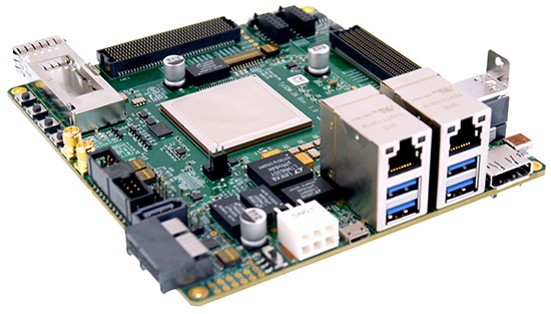
Application: HPC/AI Chip
Challenge: Evaluation of a 2U server chip and designing a high-performance heatsink within strict constraints.
Solution: ET evaluated the chip, identified the issues and developed a cost-effective, high-performance heatsink solution.
Outcome: A reliable thermal management solution that ensured optimal chip performance and met stringent requirements.
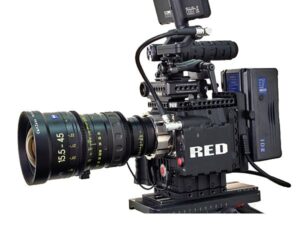
Red Digital EPIC Camera – Complete Thermal Architecture from Concept to Production
Client: Red Digital Cinema
Project Type: End-to-End Thermal Design, CFD Simulation, Validation, and Production Support
Tools: Ansys Icepak, Experimental Validation, Acoustic Testing, DFM/DFR Optimization
Project Overview
When Red Digital Cinema set out to develop the EPIC 4K camera, their challenge was to deliver uncompromising cinematic performance in a handheld form factor. The compact body housed multiple high-power ASICs, image-processing boards, and a precision image sensor, all within tight acoustic and ergonomic limits.
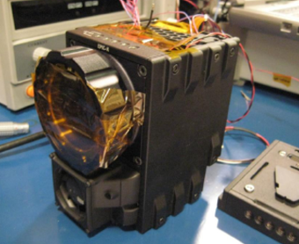
Expert Thermal was engaged to lead the thermal architecture from concept to manufacturing. Our work encompassed every stage of development: concept creation, thermal-mechanical design, CFD simulation, prototype testing, and production optimization.
Engineering Approach
We began by developing the overall cooling concept to manage over 65 W total power dissipation, roughly equivalent to a household light bulb, in a dense electronics package.
Key challenges included keeping the image sensor below 55 °C while ASICs operated near their 80 °C junction limits and maintaining comfortable touch temperatures and low noise.
Our solution included:
- Custom dual zipper-fin heatsinks for the ASIC and image-sensor boards
- Airflow management design to thermally isolate the sensor and ensure uniform flow
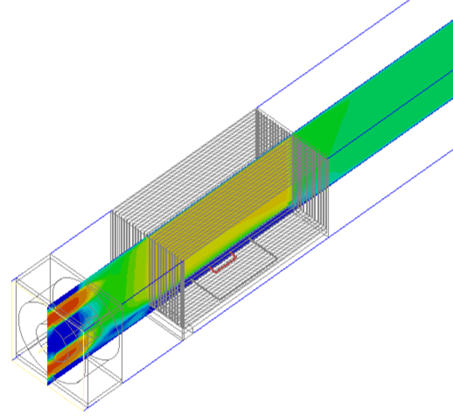
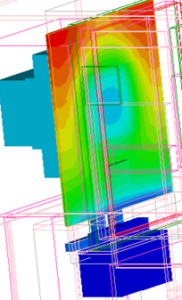
- CFD modeling in Ansys Icepak to optimize flow rate, pressure drop, and temperature distribution
- Iterative design validation using instrumented mockups with thermocouples, anemometers, and calibrated duct flow measurement
- Noise and thermal-acoustic optimization to balance fan speed, performance, and operator comfort
- Weight and manufacturability optimization through aluminum die-cast and wire-EDM variants
Testing and Validation
Our CFD models were validated experimentally, showing temperature prediction within ±5 °C of measured data across all critical components.
Thermal testing confirmed stable operation at 38 °C ambient and 10,000 ft altitude, while acoustic tests verified the design met the stringent noise target for handheld operation.
The final system maintained UL-compliant touch temperatures, robust reliability, and exceptional user comfort.
Outcome
The resulting design enabled the Red Digital EPIC Camera to achieve industry-leading performance,
a lightweight, high-performance, quiet camera capable of continuous 4K recording in extreme environments.
The EPIC became an icon in professional cinematography, used extensively across Hollywood productions and documentaries, and set a new benchmark for compact digital cinema thermal design.
Brava Smart Oven – Full Thermal Architecture from Concept to Production
Client: Brava
Project Type: Complete Thermal Architecture, Modeling & Validation from Concept through Manufacturing
Tools: Ansys Icepak · Fluent · Custom Radiation Modeling · Experimental Validation · Thermal/Acoustic Testing
Project Overview
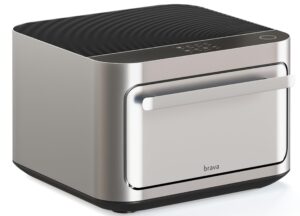
Brava set out to revolutionize home cooking with a countertop oven that cooks meals using pure infrared (IR) energy. The oven employs six high-temperature zirconia heating elements, capable of reaching 2,800 °C, arranged as three elements above and three below the cooking chamber. This intelligent IR system enables precise, zoned cooking that can simultaneously sear, bake, and roast different foods on the same tray.
Expert Thermal was engaged from the earliest concept stage through production to develop the complete thermal management architecture for this groundbreaking product, including heater modeling, radiation and convection simulation, shielding design, electronics cooling, and user-touch safety.
Engineering Challenge
Designing a consumer product operating at such extreme element temperatures demanded a level of modeling fidelity typically reserved for aerospace or semiconductor equipment. The oven had to:
- Maintain a cool-to-touch handle and external surfaces while heaters reach 2,800 °C
- Protect nearby electronics, sensors, and the embedded camera located near the cooking cavity
- Ensure uniform IR distribution for even cooking
- Prevent thermal cross-talk between zones and maintain air circulation without affecting cooking quality
Approach
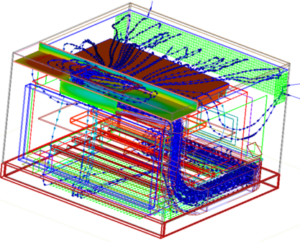
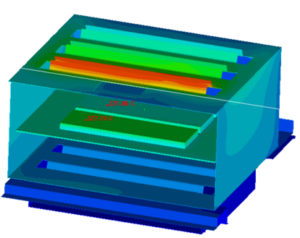
Our engineers built a multi-physics transient CFD and radiation model that accurately represented:
- The spectral and directional properties of the zirconia IR emitters
- The time-dependent heating and cooling cycles within the cooking chamber
- The radiative coupling between emitters, food surfaces, shields, and the oven walls
We implemented custom radiation boundary conditions to model the zirconia emitter’s wavelength-dependent emissivity and re-radiation within the chamber, extending the simulation capability beyond the default Ansys Icepak and Fluent models.
From these simulations, we designed:
- Multi-layer radiation shields for thermal isolation of power electronics and camera modules
- Directed airflow channels and rear cooling ducts to manage heat from power boards and sensors
- A composite handle and door assembly maintaining < 45 °C surface temperature at full load
Validation & Production Support
Prototype ovens were instrumented with thermocouples and IR sensors to validate the models under transient cooking profiles. Test data correlated within ± 5 °C for critical components, confirming model accuracy.
Expert Thermal continued supporting Brava through the manufacturing and design-for-reliability (DFR) phase, optimizing material choices, insulation layouts, and airflow paths for consistent thermal performance and mass-production efficiency.
Outcome
The final Brava Smart Oven achieved what was once considered impossible for a countertop appliance:
- Even, IR-based cooking with zoned heater control and minimal preheat time
- Quiet, efficient cooling for electronics and sensors
- Safe, cool-to-touch exterior and handle
- Validated thermal design models that became reference tools for Brava’s continued innovation
This collaboration demonstrates Expert Thermal’s ability to deliver end-to-end thermal design, from concept modeling to manufacturing validation in products combining extreme heat, intelligent controls, and consumer-grade reliability.
HP – Technical Market Research: Additive Manufacturing of Copper Cold Plates
Client: HP Inc.
Project Type: Technical Marketing Research · Additive Manufacturing (AM) of Thermal Components
Tools: Market Analysis · Expert Interviews · Application Filtering · Additive Process Evaluation
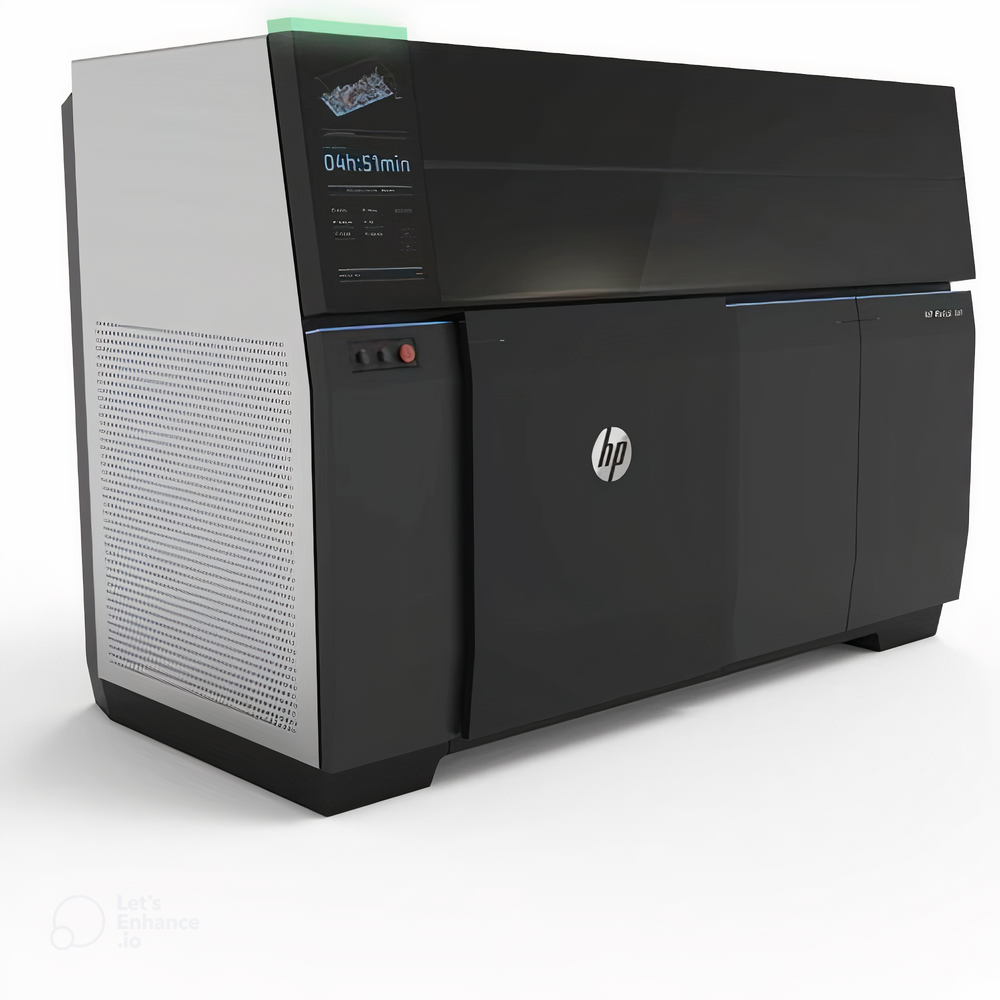
Project Overview: HP engaged Expert Thermal to conduct a technical market research and application analysis focused on additive manufacturing (AM) of copper thermal management components, particularly liquid cold plates, busbars, heat sinks, and induction coils.
The goal was to assess the technical feasibility, addressable market size, and value creation potential for HP’s Metal Jet additive process compared to traditional manufacturing methods.
Research Approach: Expert Thermal performed an in-depth, multi-phase market and technology study, combining internal analysis with interviews of leading academic and industry experts in thermal management and copper processing.
The research included:
- Market segmentation and filtration of the $238B global copper market to identify the AM-addressable subset.
- Evaluation of technical and manufacturing barriers, including conductivity requirements, geometric resolution, and production cost thresholds.
- Application-level benchmarking between HP Metal Jet and conventional manufacturing (CNC, skiving, forging, brazing, casting).
Expert interviews with specialists in heat transfer, additive design, and copper fabrication, including professors and senior engineers from Purdue University, University of Maryland, Mikros Systems, and Celsia.
Key Findings
- The AM addressable market for copper thermal components is estimated at ~$8.6B by 2025 with a CAGR of 4–5%.
- The most promising AM applications include:
- Liquid and air-cooled cold plates
- Busbars (solid and laminated)
- Copper foils and induction coils
- EMI shielding components
Additive manufacturing offers strong value creation where:
- Design complexity and multi-product variation are high.
- Integration of vapor chambers and heat pipes can reduce interface resistance.
- Tooling elimination and rapid customization provide time-to-market advantages.
HP Metal Jet was identified as a competitive process for medium-sized parts (25–300 g) requiring feature resolution ≤100 μm and high thermal conductivity (~275 W/m·K).
Outcome
The study provided HP with a comprehensive application roadmap for leveraging Metal Jet technology in the thermal management sector.
It defined clear technical targets for thermal conductivity, part geometry, and production scalability, and identified key partner industries such as data centers, AI/HPC servers, EV power systems, and medical electronics.
The research outcomes continue to inform HP’s strategic focus on additive manufacturing for high-performance copper components, contributing to their long-term innovation roadmap in sustainable, high-efficiency cooling technologies.
Thermal Analysis and Design Of the Versa Networks X5
Client: Versa Networks
Application: Telecommunication
Challenge: Versa Networks needed to optimize their router’s performance across various desktop configurations, thermal feasibility analysis of the processors and the module.
Solution: Through meticulous analysis and innovative design, we identified the optimal router placement and implemented solutions to enhance thermal efficiency. Conducted multiple analysis to ensure the components are in spec and are in safe limits.
Outcome: Our expertise led to a significant improvement in thermal performance, weight reduction, and overall reliability.

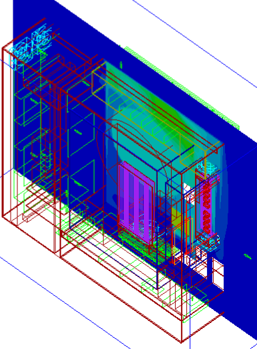
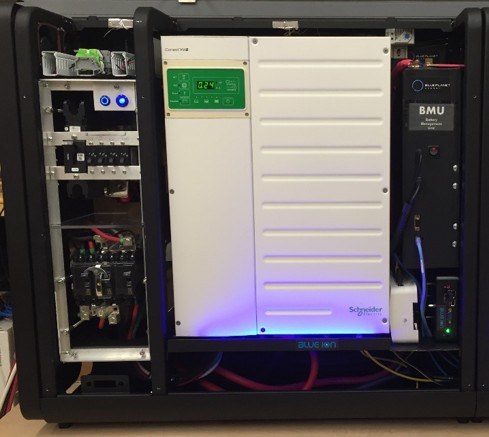
Blue Planet Energy Blue Ion Continuum Energy Storage System (ESS)
Client: Blue Planet Energy
Application: Energy Storage System
Challenge: Faced with a looming deadline, our team was tasked with resolving critical airflow and thermal management issues that threatened to derail a critical product prototype.
Solution: Through a rigorous thermal analysis, we identified the root causes of the problem and implemented innovative solutions to optimize airflow and improve thermal performance.
Outcome: Our expertise enabled us to deliver a reliable and efficient product, meeting the critical deadline and ensuring long-term system performance.
Prosint – Agricultural Washing System Structural Design
Client: Prosint, in collaboration with BrightLab
Project Type: Mechanical & Structural Design Support for Agricultural Automation
Tools: SolidWorks · Ansys Mechanical · Structural Simulation & Optimization
Project Overview
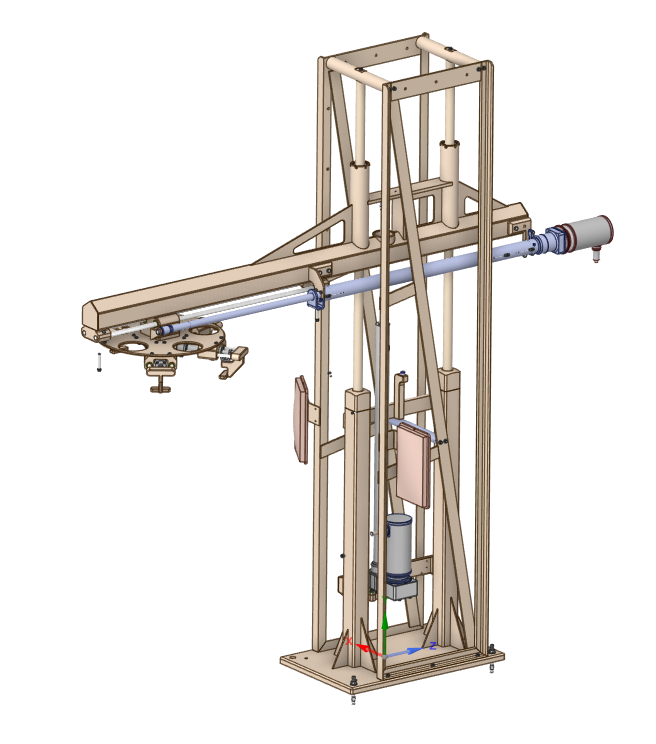
Prosint developed an automated vegetable washing and drying system designed to handle high-throughput agricultural processing. The system features a robotic lifting and conveying device (the Precibot Ant System) that lifts baskets of freshly washed vegetables up to 100 lbs each to a spin-drying stage before returning them to a conveyor line.
Expert Thermal, working alongside BrightLab, assisted in the mechanical design and structural analysis of this complex motion system. Our goal was to ensure structural reliability, reduce vibration, and improve performance under heavy load and repetitive operation.
Engineering Approach
The engagement covered full static and structural simulation of the conveying system to analyze:
- Stress, strain, and displacement under 100 lb basket loads
- Frictional interactions between stainless-steel shafts and Sustarin sleeves
- Vibration and deflection issues leading to bolt loosening and excessive motor load
Our engineers developed several finite element models (FEM) representing the system’s current and modified configurations:
- Baseline Design: As-built model from Prosint CAD
- Frame-Removed Design: To evaluate frame stiffness contribution
- Improved Design: Featuring trussed arm geometry, vertical motor support, and counterweight balance
Results and Design Improvements
Simulation results identified high-stress regions near the arm ends (up to 174 MPa) and excessive shaft bending causing sleeve friction and vibration.
Expert Thermal’s improved design achieved:
- >55% stress reduction (to ~76 MPa)
- 13 mm → 0.02 mm reduction in sleeve displacement along the vertical axis
- Reduced vibration and motor load during repetitive lifting cycles
- Simplified maintenance with improved component access
The enhanced system delivered stable performance, reduced downtime, and longer component life—critical for continuous operation in high-volume agricultural processing facilities.
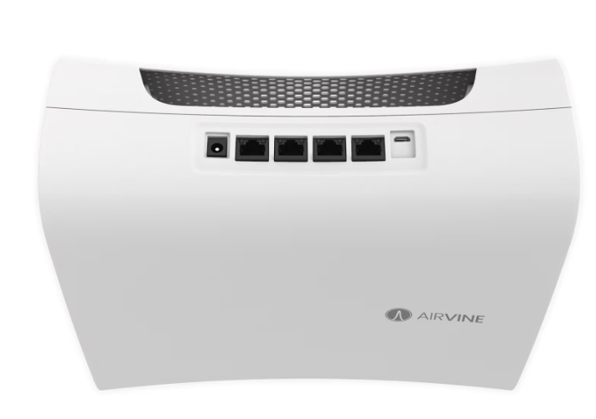
Thermal Analysis of Airvine WaveTunnel
Client: Airvine Scientific, Inc.
Application: Telecommunication
Challenge: To support the development of the system to identify the problems and mitigate it.
Solution: Performed the thermal analysis to identify issues at the onset and rectified the issues with thermal management solutions
Outcome: Incorporation of innovative thermal management solutions improved the performance and reliability of the product.
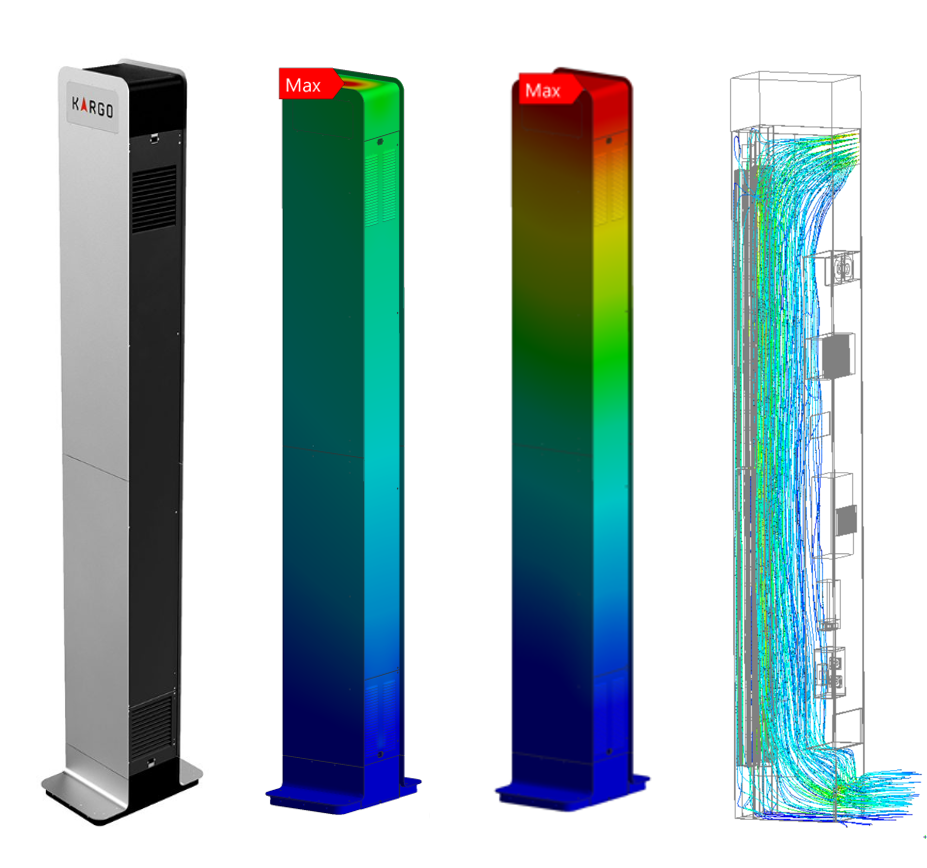
Thermal, Structural, Modal and Response Spectrum Analysis for Tower and PCBA
Client: Kargo
Application: Industrial Automation
Challenge: Design and develop a robust and viable product
Solution: ET conducted structural, modal, response spectrum and thermal analysis for the project
Outcome: Several options were evaluated and an optimal and a robust solution was deployed for prototype build.
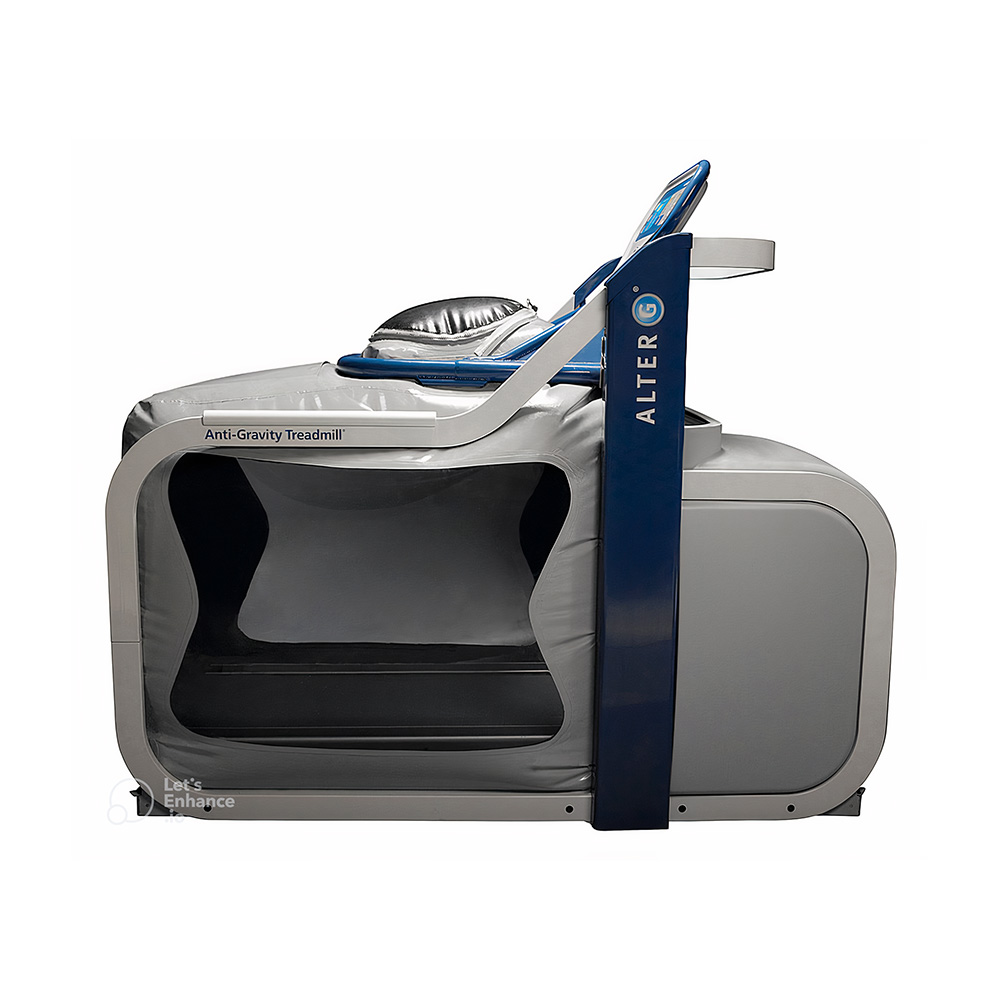
Design and Structural Analysis of Alter-G
Client: Alter G
Application: Medical
Challenge: Design and Structural Analysis of the Anti Gravity Treadmill
Solution: Performed structural analysis for the frame
Outcome: Identified the FOS and recommended modifications to meet the standard requirement for the structure
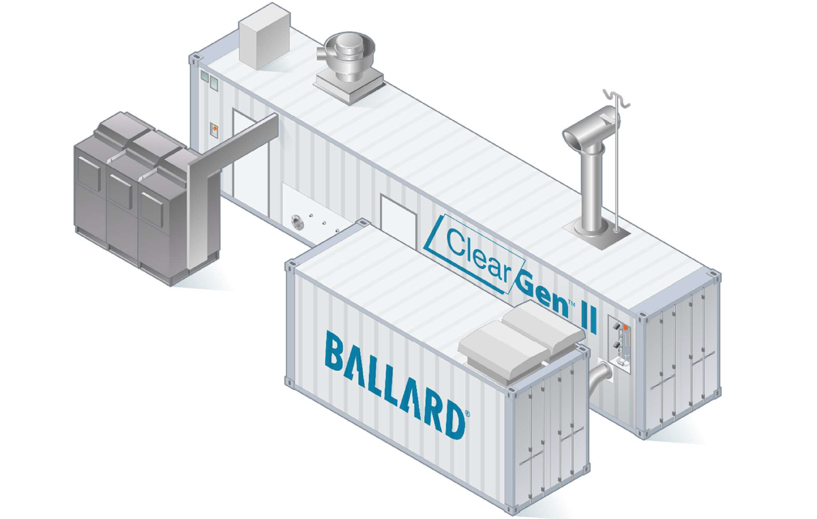
Ballard Thermal Studies and Lightning Study
Client: Ballard
Application: Fuel Cell System
Challenge: Conduct thermal studies and lightning study to support Ballard Power Systems (CEOG Project)
Solution: ET conducted thermal analysis using advance thermal techniques and solar load calculations for the system to identify the best AC system to be used to meet the requirement
Outcome: Delivered a cost-effective and energy-efficient solution, minimizing energy consumption while meeting project requirements. Provided expert guidance on component selection and vendor sourcing.
Larada Lice Elimination System – Thermal Design and Airflow Optimization
Client: BrightLab (for Larada Sciences)
Project Type: Thermal Architecture, CFD Simulation, Airflow and Heat Management
Tools: Ansys Icepak · Thermal Testing · Flow Characterization
Project Overview
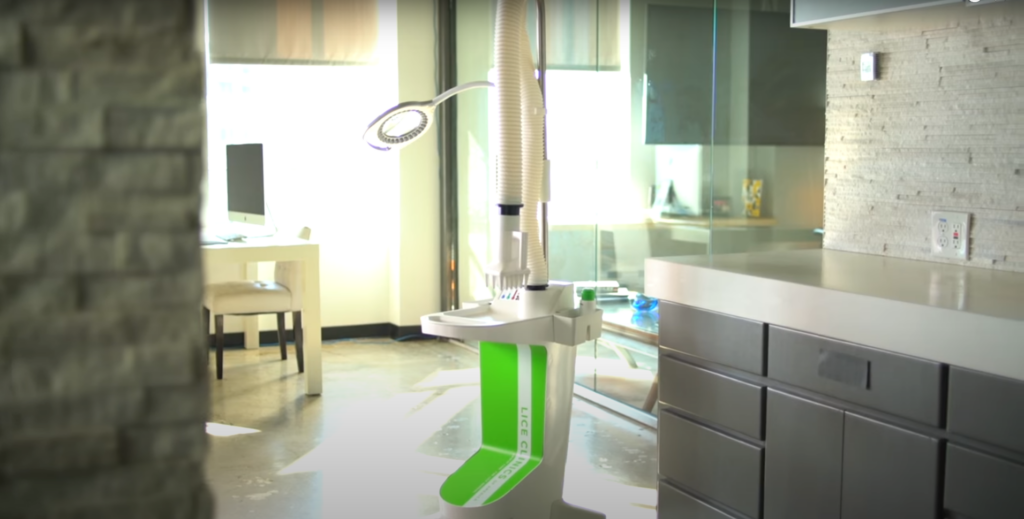
The Larada Lice Elimination System (Clinic 3.0) eliminates lice and eggs using precisely controlled heated airflow. Achieving effective treatment required maintaining a stable air temperature at the treatment tip while ensuring safe surface temperatures for the patient and device operator.
Expert Thermal partnered with BrightLab to perform complete thermal analysis and optimization of the airflow and heating system, improving both efficiency and temperature uniformity across the treatment tip.
Thermal Design Approach
We developed a detailed CFD thermal model of the entire air-handling system—from the blower to the heater module and treatment nozzle—to understand and optimize:
- Heater and airflow coupling across the full operating range (8,500–16,300 RPM)
- Velocity and temperature profiles in the heater section, ducts, and tip outlet
- Flow impedance and back-pressure distribution at each vent path
- Temperature uniformity at the scalp contact interface
- Transient response of the 1,200 W heater during warm-up and continuous operation
Multiple blower configurations and vent geometries were analyzed to balance airflow (52–75 CFM) with target outlet temperatures and low acoustic noise.
Results
- Achieved uniform air temperature delivery within ±3 °C across all outlet vents
- Increased thermal efficiency and heater response time
- Reduced hot-spot formation in the tip and ensured comfortable scalp-safe operation
- Optimized airflow impedance for stable 52–75 CFM throughput at 1.4 in H₂O system pressure
- Validated performance through lab testing with measured and simulated temperature correlation within ±5 °C